Barefoot Shoes vs. Traditional Footwear: A Comparative Analysis of Foot Health Benefits
12 February 2026 · By Barefoot.mu · Updated 17 June 2026
Introduction
In recent years, barefoot shoes have gained a foothold in the world of footwear, sparking debates about their potential health benefits compared to traditional shoes. With their minimalist design, barefoot shoes aim to mimic the natural shape and function of the human foot, promising a return to our evolutionary roots. But how do they really stack up against conventional footwear when it comes to foot health? Let's dive into a comprehensive comparison of these two types of shoes, examining the science and expert opinions behind the claims.
Understanding Barefoot Shoes
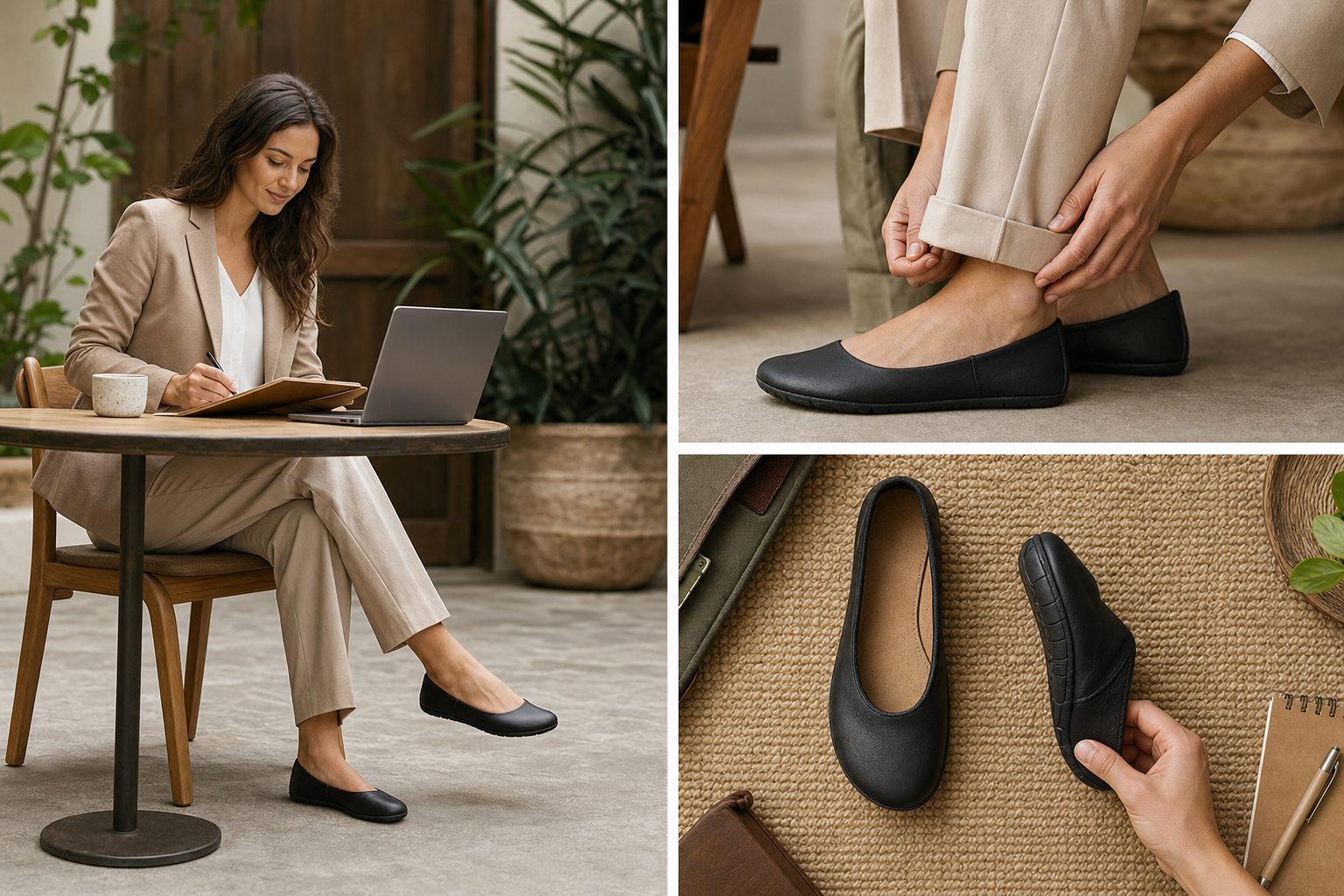
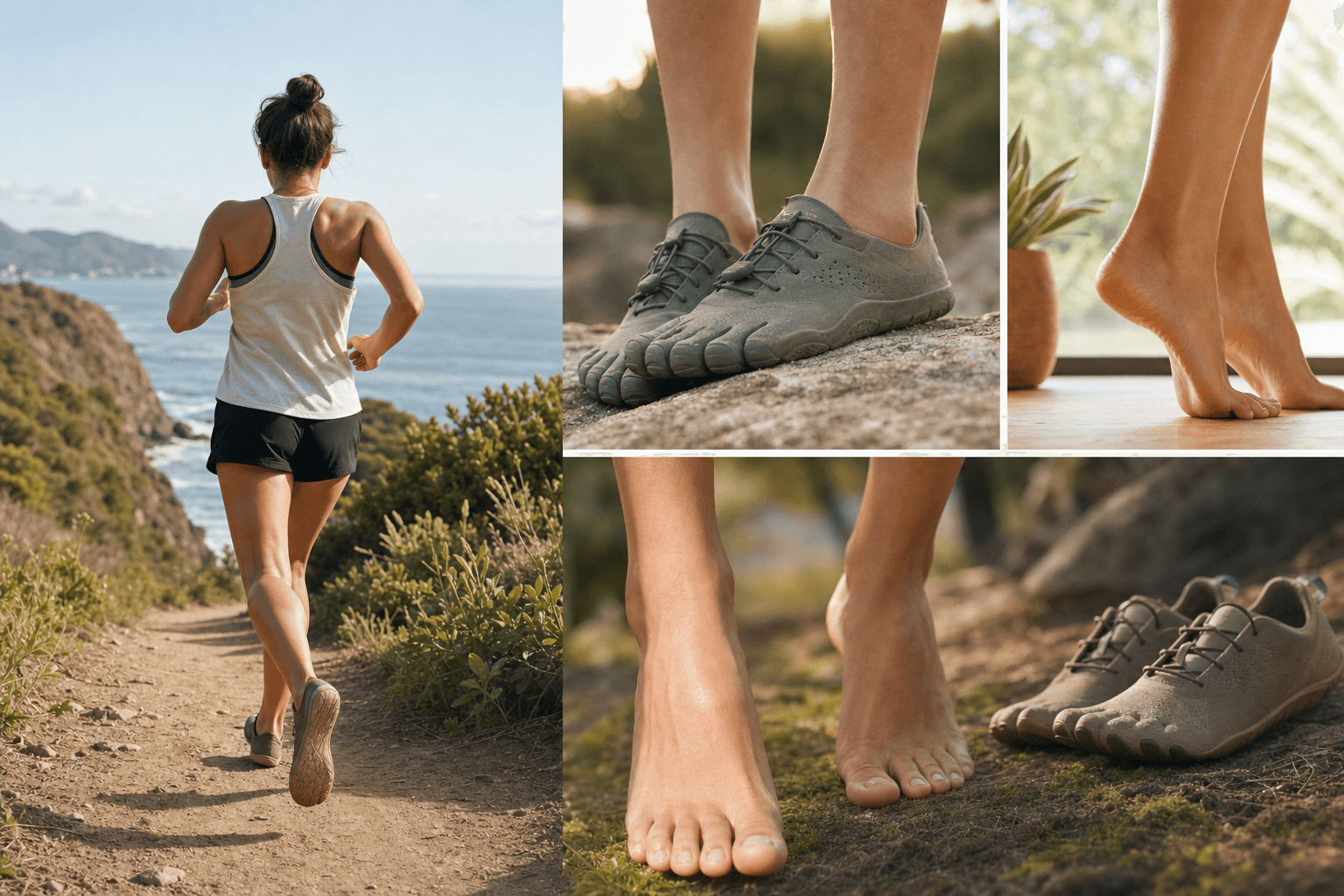
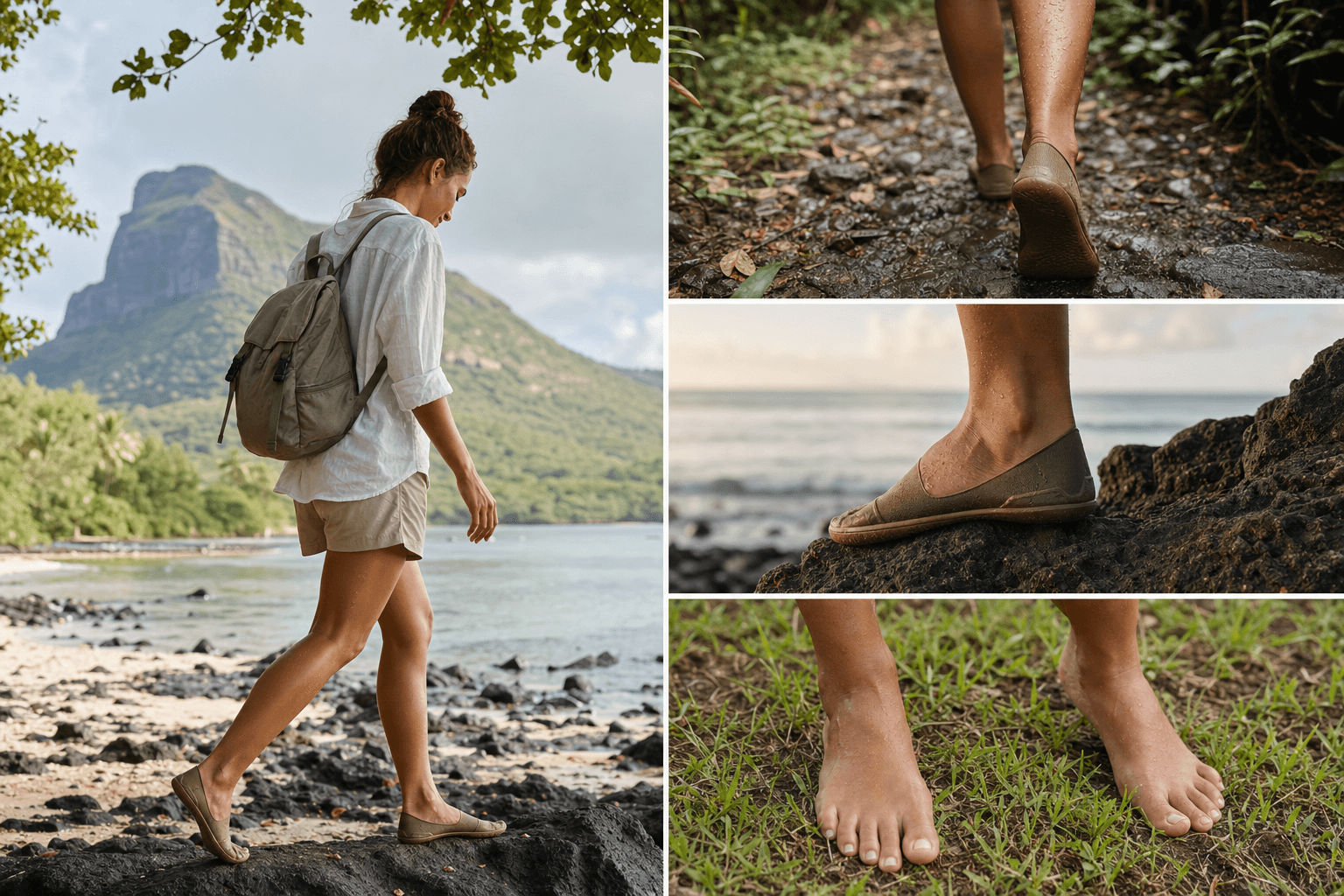
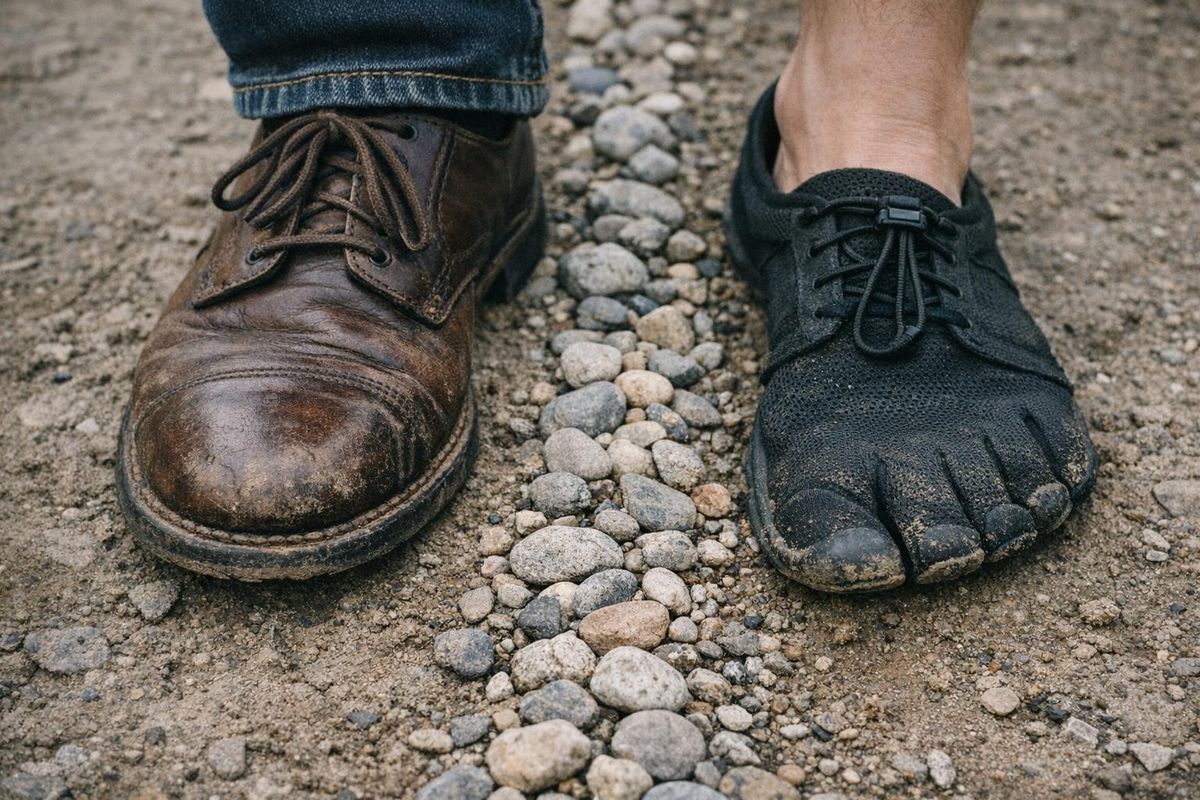
Barefoot shoes are characterized by their minimalistic construction. They typically feature thin, flexible soles that allow for natural foot movement, a wide toe box for splaying, and zero heel-to-toe drop. This design aims to enable a more natural gait, encouraging the foot muscles to engage as they would when walking barefoot.
Benefits of Barefoot Shoes
Enhanced Foot Strength and Functionality: Studies, such as one published in the Journal of Foot and Ankle Research, have shown that wearing minimalist footwear can improve foot strength over time. This is because these shoes allow the feet to move and flex naturally, engaging muscles that are often underutilized in traditional shoes.
Improved Balance and Proprioception: Barefoot shoes can enhance balance and proprioception, the body's ability to perceive its position in space. The thin soles provide a closer connection to the ground, which can improve sensory feedback and coordination.
Natural Gait Mechanics: The zero-drop design of barefoot shoes encourages a forefoot or midfoot strike, rather than the heel strike common in traditional running shoes. This can lead to a more efficient gait and potentially reduce impact-related injuries, as suggested by research in the British Journal of Sports Medicine.
Traditional Footwear: The Conventional Choice
Traditional footwear typically includes features like cushioned soles, arch support, and a raised heel. These design elements aim to provide comfort, support, and protection, but they can also alter natural foot mechanics.
Benefits of Traditional Footwear
Support and Cushioning: For individuals with specific foot conditions, such as plantar fasciitis or flat feet, traditional shoes can offer necessary support and cushioning, potentially alleviating discomfort and preventing further injury.
Protection: Conventional shoes are often designed for specific activities, offering protection against environmental elements and specific terrains, which can be crucial for safety and performance.
Comfort for Long Wear: Many people find traditional shoes more comfortable for long periods of wear, particularly those who are not accustomed to the minimalistic feel of barefoot shoes.
Comparative Analysis: Foot Health Benefits
Muscle Activation and Strength
Research indicates that barefoot shoes can enhance muscle activation in the foot and lower leg, promoting strength and endurance. A study conducted by the American College of Sports Medicine found that individuals who transitioned to minimalist shoes experienced a significant increase in intrinsic foot muscle size and function over several months.
In contrast, traditional shoes, with their supportive features, often limit muscle activation, potentially leading to weaker foot muscles over time. This could make individuals more susceptible to injuries when walking barefoot or transitioning to minimalist footwear.
Injury Prevention
The debate on injury prevention is complex. While some studies suggest that barefoot shoes can reduce certain types of injuries, such as stress fractures and plantar fasciitis, others caution that improper transition can lead to increased risk of injury.
According to a study in the Journal of Orthopaedic & Sports Physical Therapy, runners who switched to minimalist shoes without proper adaptation experienced higher rates of injury initially. This highlights the importance of a gradual transition to strengthen the foot muscles and adapt to the new gait mechanics.
Long-Term Foot Health
For long-term foot health, the choice between barefoot and traditional shoes may depend on individual needs and lifestyle. Barefoot shoes can promote natural foot mechanics and potentially prevent certain deformities like bunions and hammer toes, which are often exacerbated by tight, narrow traditional footwear.
However, for individuals with existing foot conditions, traditional shoes might provide the necessary support and comfort that barefoot shoes lack. Consulting a podiatrist can help determine the best choice based on personal foot health needs.
Conclusion
The decision between barefoot shoes and traditional footwear ultimately hinges on individual preferences and specific foot health needs. Barefoot shoes offer the promise of enhanced foot strength and natural gait mechanics, while traditional shoes provide comfort and support, especially for those with specific conditions.
For those intrigued by the potential benefits of barefoot shoes, a gradual transition is key. Start by wearing them for short periods and gradually increase wear time to allow your feet to adapt. As always, consulting with a healthcare professional or a podiatrist is advisable, especially if you have pre-existing foot conditions.
Whether you choose the natural feel of barefoot shoes or the supportive embrace of traditional footwear, the most important factor is finding a shoe that keeps your feet healthy and comfortable, supporting your lifestyle and activities.
Looking after your feet is one part of a longer, healthier life. Explore the wider Healthspan health ecosystem.