Barefoot & minimalist footwear · Mauritius
Feet were made to move.
Wide toe box, thin flexible sole, nothing propping the heel up: the evidence-based case for letting feet do their own work, explained in plain language. Check your feet, plan your transition, and take the long way home.
26
bones in each foot
33
joints working every step
100+
muscles, tendons and ligaments
All of it under you, every step. Most shoes ask it to do almost nothing.
Stronger feet
Minimal shoes let your 26 bones and 100+ muscles work as designed, building real foot strength over time.
Better posture
A zero-drop, flat platform encourages natural alignment from the ground all the way up.
Natural movement
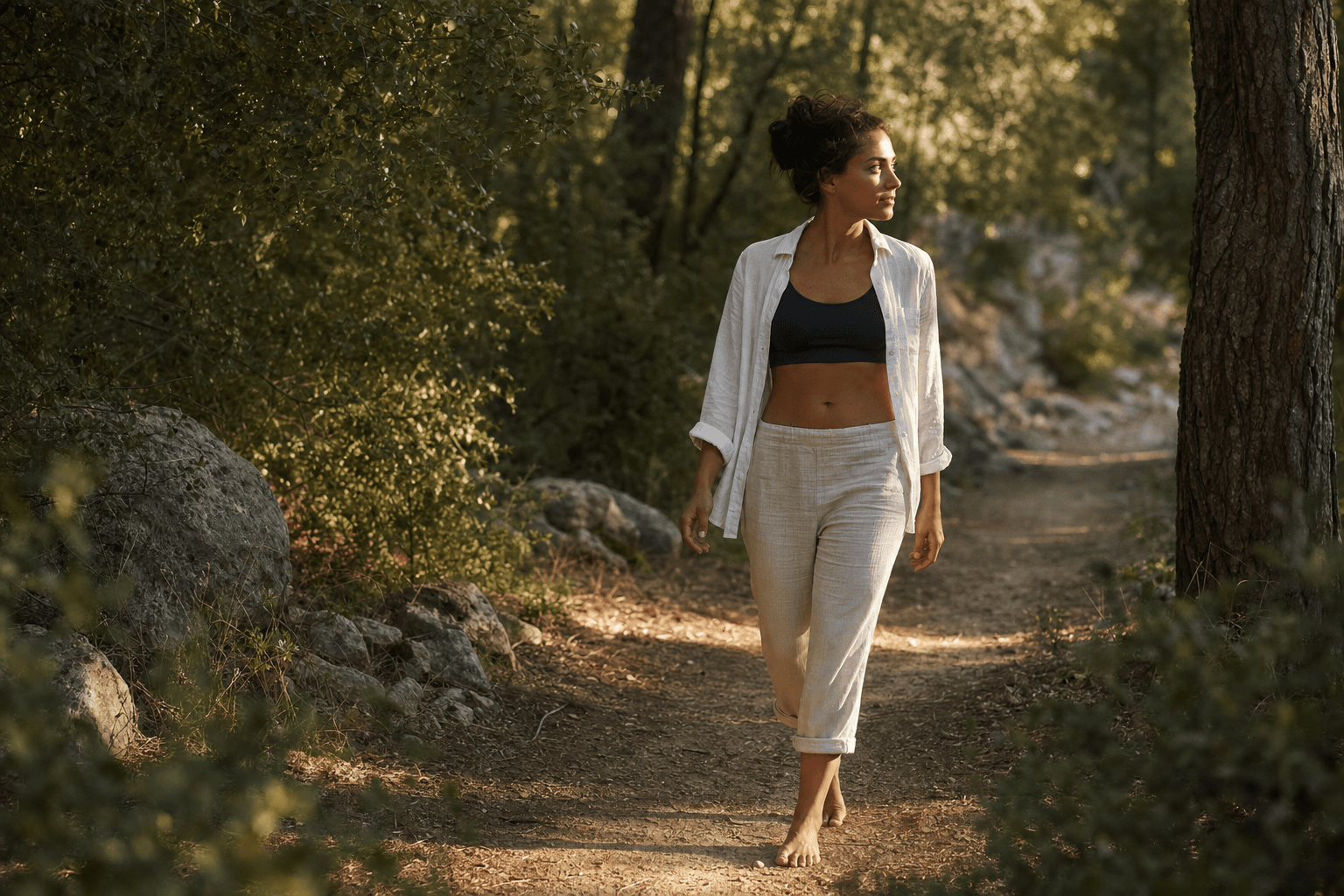
A wide toe box and thin, flexible sole restore the gait you were born with.
Ground feel
More sensory feedback means better balance, coordination, and proprioception.
Put your feet to work
Reading is the start; doing is the point. Four free tools, private by design, running entirely in your browser.
What is Barefoot.mu?
Barefoot.mu is an evidence-based educational resource about barefoot and minimalist footwear and foot health, written for people living in Mauritius. Barefoot and minimalist shoes are designed to let feet work the way they are built to: a wide toe box gives the toes room to spread, a thin and flexible sole restores ground feel, and a flat, zero-drop platform keeps the heel and forefoot at the same height. Research on foot function suggests that feet tend to become stronger when they are allowed to move naturally, and that rigid, narrow, or elevated footwear can change how we walk and load our joints. Barefoot.mu explains that science in plain language and turns it into practical guidance: how to choose a first pair of minimalist shoes, how to strengthen the feet and ankles, how to transition gradually and safely, and what natural movement means for posture and balance at every age. The island setting matters too: warm weather, beaches, and trails make Mauritius a natural place to spend more time barefoot. Every article is educational, brand-neutral, and grounded in current evidence, so readers can make informed choices about their own feet.
Frequently asked questions
What are barefoot or minimalist shoes?
Barefoot or minimalist shoes are footwear designed to interfere with the foot as little as possible. They typically combine a wide toe box that lets the toes spread, a thin and flexible sole that preserves ground feel, no elevated heel (zero drop), and no rigid arch support. The idea is to let the foot move, flex, and bear load the way it does when unshod, while still protecting the skin from rough or hot surfaces.
Are barefoot shoes good for your feet?
For many people, footwear that allows natural toe splay and foot motion encourages the small muscles of the foot to do more work, which supports strength and balance over time. That said, feet that have spent decades in cushioned, supportive shoes need time to adapt, and people with certain conditions such as diabetes or significant deformities should get individual advice first. The evidence supports a thoughtful, gradual approach rather than an overnight switch.
How do I transition safely to barefoot or minimalist footwear?
Go gradually. Start by wearing minimalist shoes for short, easy periods such as walking, and increase the time and intensity slowly over weeks and months as your feet and calves adapt. Simple foot and ankle strengthening exercises help, and any sharp or persistent pain is a signal to ease off. Runners in particular should shorten their stride and build distance in minimalist shoes far more slowly than they expect.
Can children and older adults use barefoot shoes?
Children are natural candidates because their feet are still developing, and flexible, foot-shaped footwear lets that development happen without unnecessary constraint. Older adults can also benefit, since ground feel and toe splay support balance, but they should transition carefully and consider their individual health situation. In both cases, well-fitting footwear and a gradual approach matter more than any specific brand or model.
Is the information on Barefoot.mu a substitute for medical advice?
No. Barefoot.mu publishes general education about footwear, foot health, and natural movement, not personalised medical advice, and it does not diagnose or treat any condition. If you have foot pain, an injury, diabetes, or another condition that affects your feet, consult a qualified professional such as a podiatrist or physiotherapist. The content here is meant to inform those conversations, not replace them.
From the blog
View all →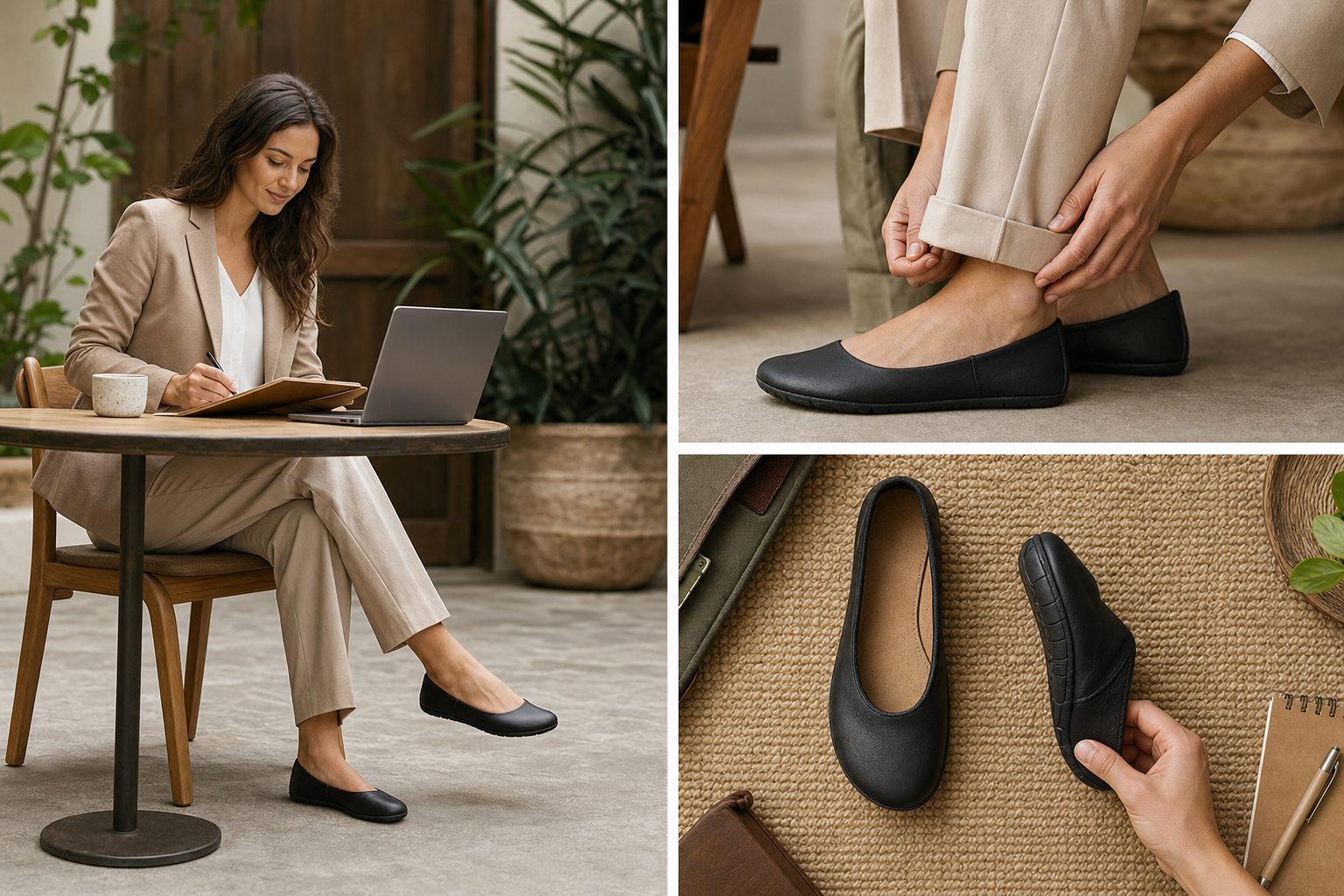
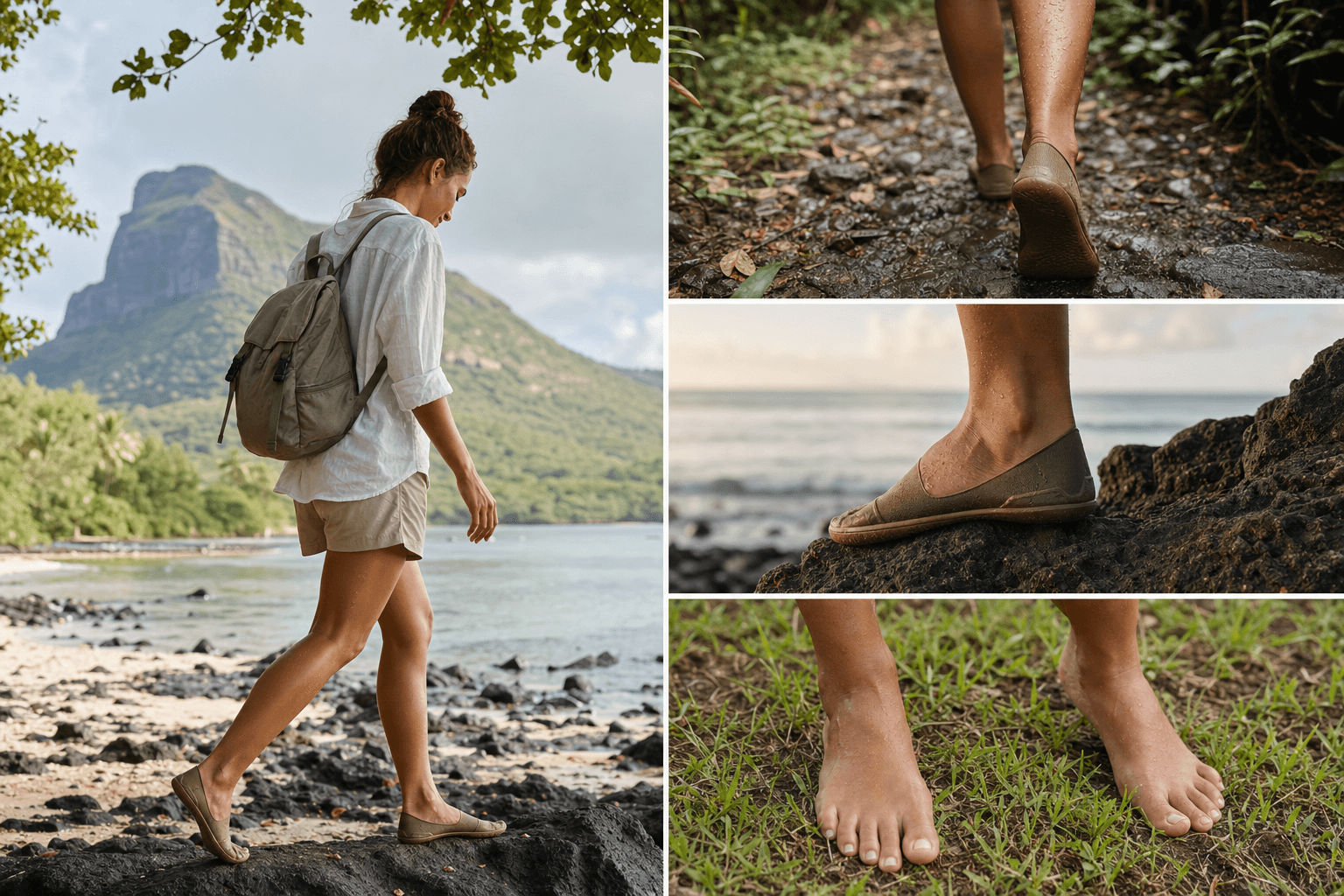
Benefits for every foot
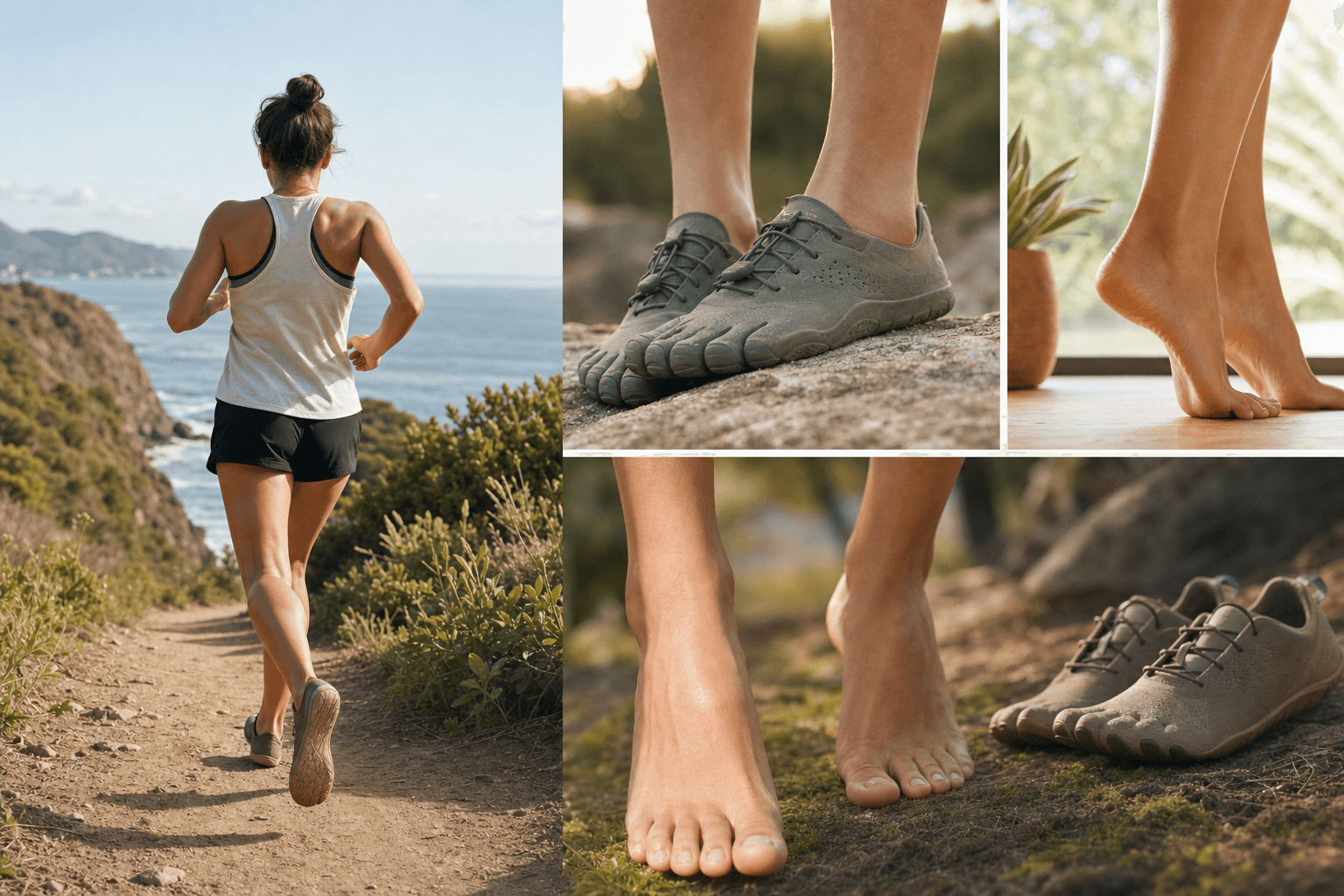
Whoever you are and however you move, going barefoot has something to offer.
Healthy feet are part of a longer, healthier life.
Barefoot.mu is part of the Healthspan health ecosystem.
Discover Healthspan