Choosing Barefoot Shoes for Mauritius’ Heat, Rain and Terrain
17 June 2026 · By Barefoot.mu
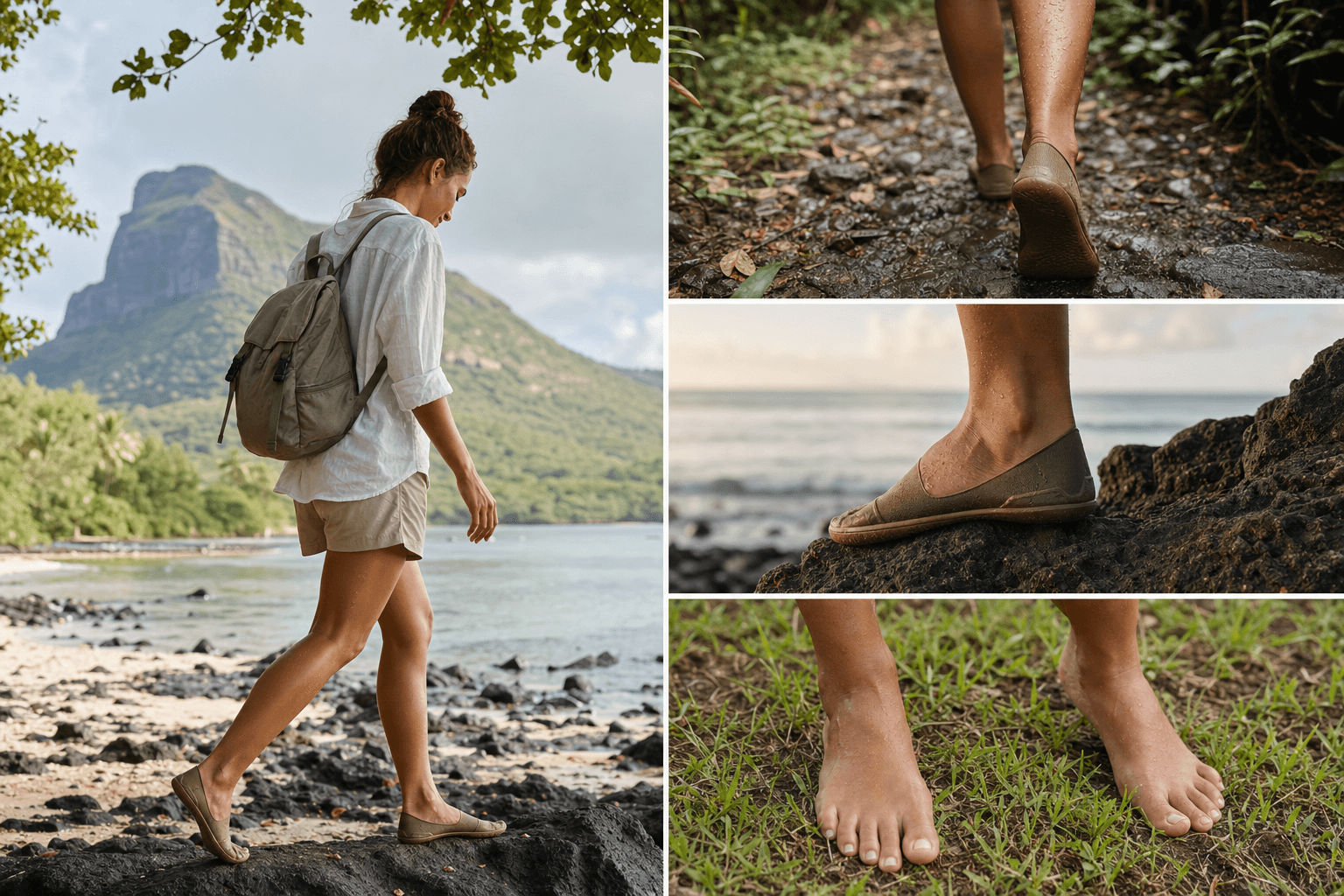
Why Mauritius needs a different barefoot shoe checklist
Choosing barefoot shoes in Mauritius is not quite the same as choosing them in a cooler, drier climate. Heat, humidity, sudden rain, slippery pavements, uneven sidewalks, coral sand, volcanic rock, and frequent transitions between indoor and outdoor settings all change what “good minimalist footwear” should look like.
A shoe that works well for a temperate city may feel too hot here, dry too slowly after rain, or wear out quickly on rough surfaces. The best barefoot shoe for Mauritius should still respect minimalist principles: a wide toe box, a flexible sole, a flat or zero-drop profile, and enough protection for the activities you actually do.
Start with the basics: what to look for
If you are buying your first pair or replacing an old one, focus on four non-negotiables:
- Wide toe box: Your toes should be able to spread naturally. This matters for balance, comfort, and reducing pressure on the forefoot.
- Flexible sole: A barefoot shoe should bend and twist easily, especially through the forefoot. This helps your foot move more naturally.
- Zero-drop or very low drop: A level platform supports a more neutral foot position and avoids artificially shifting load toward the forefoot.
- Lightweight construction: Heavy shoes can feel fatiguing and reduce the “barefoot” feel many people want.
These features are the foundation. But in Mauritius, climate and surface conditions should influence the details.
Choose materials that can handle heat and humidity
Mauritius is warm for much of the year, so breathability matters more than it does in many other places. Feet trapped in hot, non-breathable shoes can sweat more, feel uncomfortable, and be more prone to skin irritation.
Look for:
- Mesh uppers for maximum airflow
- Lightweight knit materials if you want softness and breathability
- Natural linings where possible, though fit and durability still matter most
- Quick-drying fabrics if you regularly get caught in rain
If you prefer leather, choose it with care. Some leathers are durable and mold well to the foot, but they may be warmer and slower to dry. In a humid climate, that trade-off matters.
A useful test: wear the shoe indoors for 10-15 minutes on a warm day. If your feet feel sealed in or overly warm quickly, that shoe may not be ideal for regular Mauritius use.
Think about rain, puddles, and daily commuting
In Mauritius, a barefoot shoe should not only feel good on dry ground. It should also cope with wet footpaths, sudden showers, and the daily stop-start of island life.
If you commute on foot or move between home, car, office, and shops, consider shoes with:
- Good drainage or quick-drying materials
- A grippy outsole with enough traction for wet tiles and pavements
- Secure heel hold so your foot does not slide inside the shoe
- Easy on/off design if you need to remove wet shoes frequently
A minimalist shoe with a very smooth sole may feel great indoors but become risky on wet surfaces. Grip matters. Minimal does not mean slippery.
If you often walk after rain, check the outsole pattern. Deeper lugs are not always necessary, but some texture can improve confidence on damp terrain.
Match the sole to your terrain
Mauritius offers a mix of surfaces: city pavements, uneven residential roads, sand, trails, and rocky paths. Different sole thicknesses suit different settings.
For mostly urban wear
A thinner sole can work well if your routes are generally smooth. It gives better ground feel and a more natural walking experience.
For mixed surfaces
A slightly thicker but still flexible sole may be the better compromise. It protects against sharp stones, cracked pavements, and occasional rough patches without becoming overly stiff.
For trail or rocky use
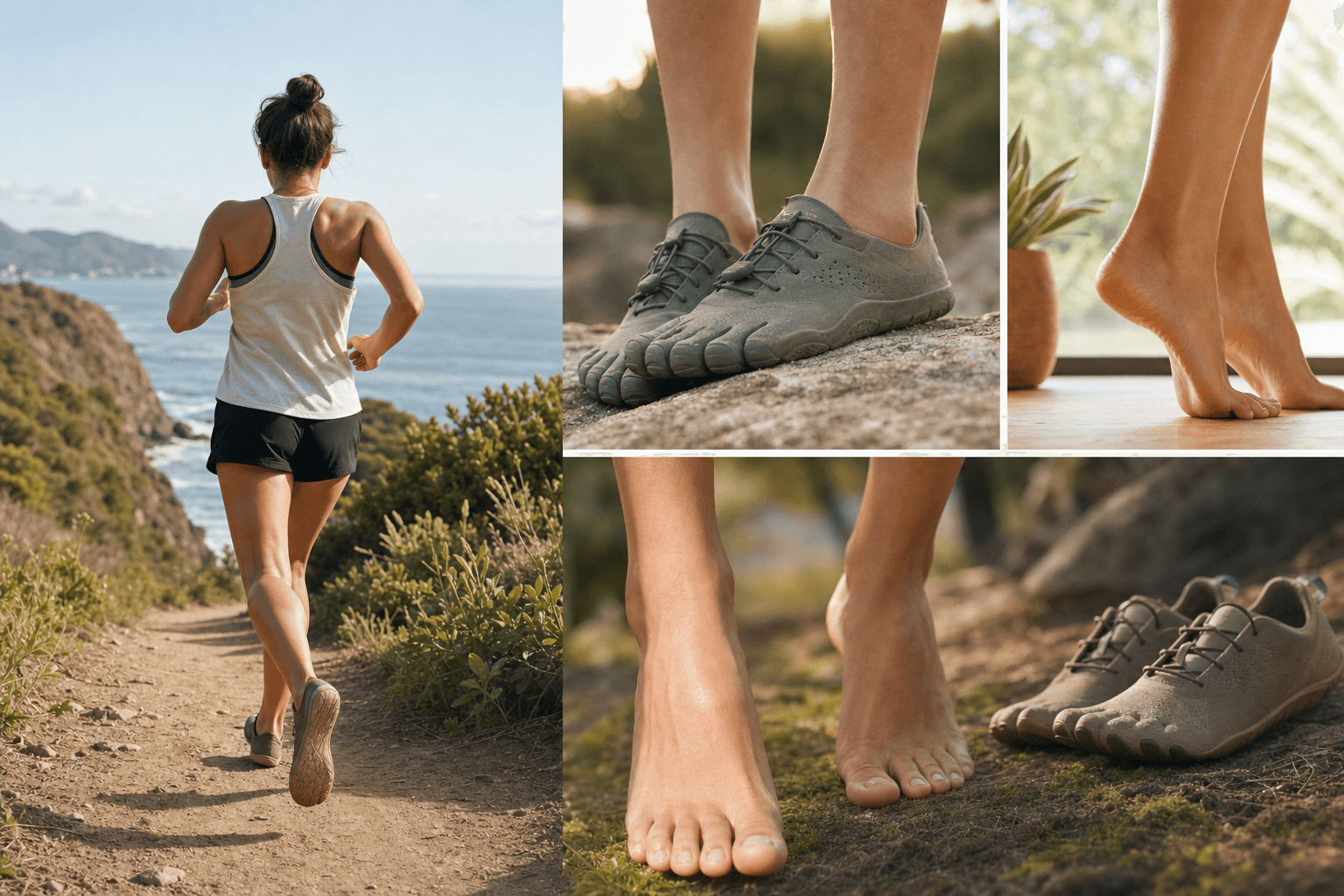
You may want a barefoot-style shoe with a bit more underfoot protection. The goal is not maximum cushioning; it is enough protection to walk confidently without losing flexibility.
There is no single “best” sole thickness. The right choice depends on where you actually spend time. A person who walks on coastal paths and rocky trails may need a different shoe from someone mainly moving around Port Louis or Curepipe.
Fit matters more than the logo
Minimalist footwear only works well when it fits properly. A poorly fitted barefoot shoe can still cause rubbing, instability, or toe crowding.
Check for:
- Enough length: about a thumb’s width in front of the longest toe
- Toe splay room: toes should not hit the side walls
- No heel slip: especially important for walking in humid conditions
- Natural midfoot hold: secure, but not tight
Try shoes on later in the day if possible, because feet often swell slightly. Also wear the socks you expect to use most often. A shoe that fits in thin socks may feel cramped with everyday socks.
One common mistake is sizing down because a barefoot shoe looks “roomy.” Roomy is good; sloppy is not. The shoe should allow natural movement while still staying stable on the foot.
Consider your main use case: work, walking, exercise, or all three
The best barefoot shoe for you depends on how you plan to use it.
For everyday wear
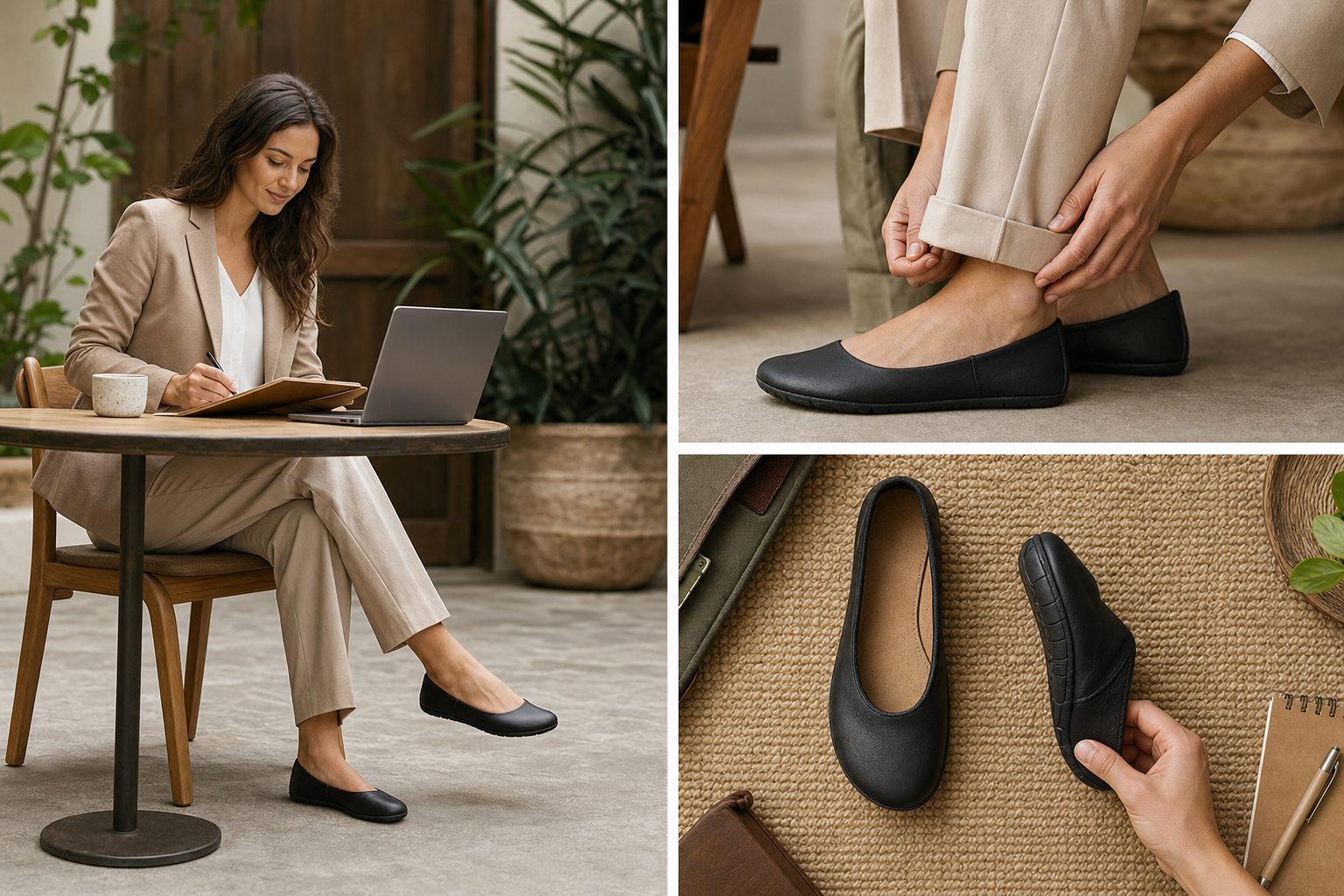
Prioritise comfort, breathability, and easy care. A clean design often works best if you move between casual and semi-formal settings.
For exercise and training
Look for a stable, flexible sole and secure fit. If you do gym work, walking, or bodyweight training, the shoe should support natural foot mechanics without excess bulk.
For long walks
Choose comfort first, but do not forget protection. If your walking routes are long or include rough ground, a little more sole protection can prevent unnecessary discomfort.
For rainy season or travel
Quick-drying materials and strong traction become especially important. If you only buy one pair, versatility should guide the decision.
Care and maintenance in a tropical climate
Barefoot shoes can last longer if you care for them properly, especially in humid conditions.
- Remove insoles after wet use if possible
- Air-dry shoes in shade, not harsh direct sun for long periods
- Rotate pairs if you wear them daily
- Brush off sand and grit regularly, since particles can accelerate wear
- Check seams and outsole edges often, especially after trail use
Tropical wear can break down materials faster than you expect. A small amount of maintenance goes a long way.
The best barefoot shoe is the one you’ll actually wear
The ideal shoe in Mauritius balances foot freedom with climate, grip, and durability. If a shoe is too hot, too slippery, or too fragile for your routine, you will not wear it consistently, and consistency matters more than perfection.
A practical purchase decision looks like this: choose the widest, most flexible, most breathable shoe that still gives you enough protection for your daily surfaces. If you walk mostly on smooth ground, you can go lighter. If you face rain, rough paths, or rocky terrain, choose a bit more outsole protection and traction.
Practical conclusion
Before buying barefoot shoes in Mauritius, ask yourself three questions: Where will I wear them most? How hot and wet will those conditions be? Do they give my toes room without compromising grip and protection?
If the answer is yes to all three, you are likely on the right track. Barefoot shoes should feel natural, but they also need to be practical for island life. When you match minimalist design with local conditions, you get the real benefit: shoes that support natural movement and fit seamlessly into daily life.
Looking after your feet is one part of a longer, healthier life. Explore the wider Healthspan health ecosystem.