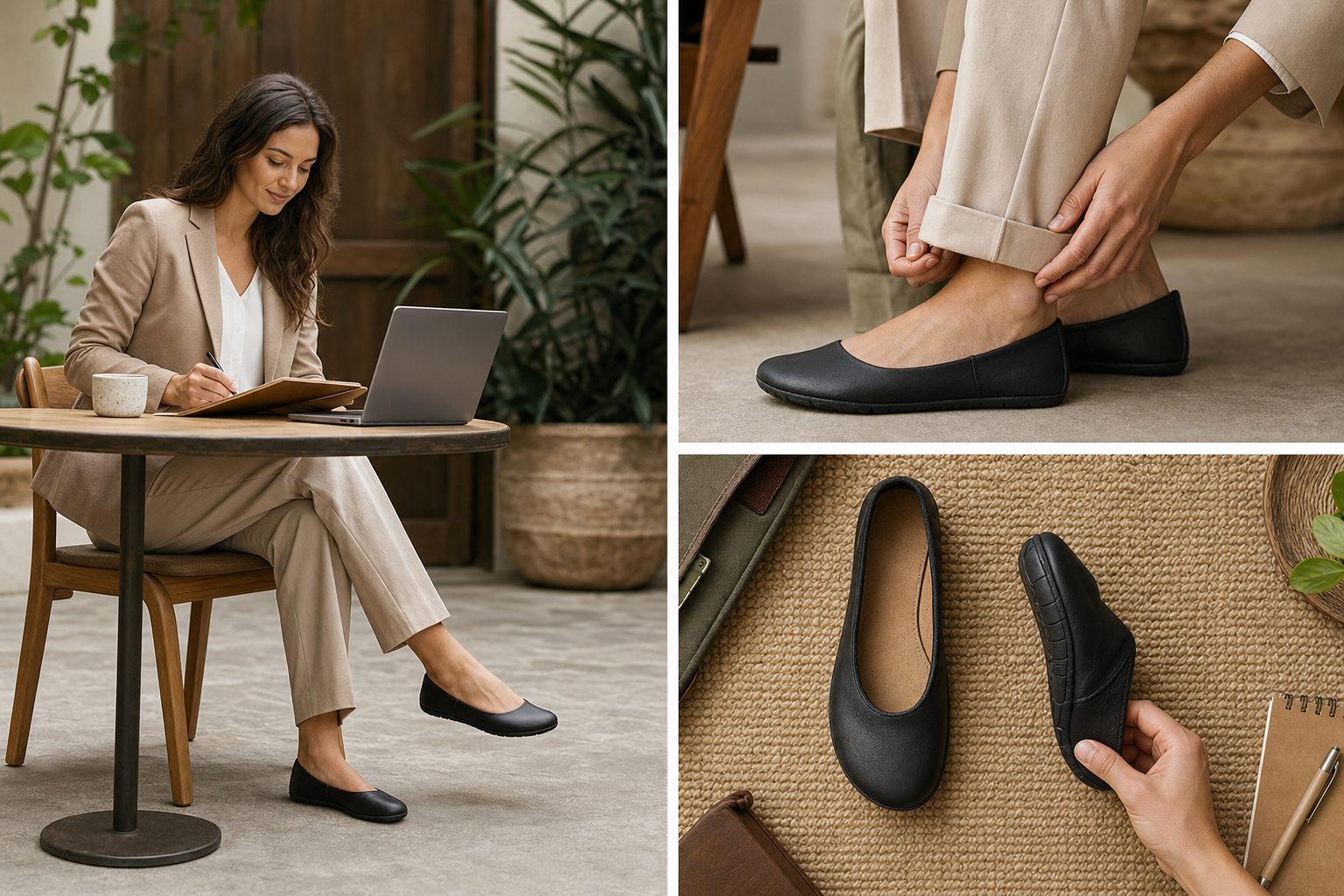
Why work shoes deserve special attention
Many people start exploring barefoot shoes for running or weekend wear, then realize their hardest footwear challenge is actually the workday. Office shoes, hospitality shoes, and event shoes often need to look polished, stay comfortable for long hours, and handle Mauritius’ heat and humidity. If you want to wear minimalist footwear beyond casual settings, the goal is not to find the thinnest shoe possible. It is to find a pair that respects your foot shape, fits the setting, and lets you stay comfortable through a full day.
The good news is that barefoot style footwear can work well in professional settings, if you choose carefully. The key is balancing appearance, function, and your own adaptation level.
Start with the dress code, not the shoe trend
Before shopping, look at what your workplace actually expects. A banking office, clinic, school, resort, or creative studio may each have very different standards. Some settings require formal leather shoes, while others accept smart casual loafers or clean sneakers.
A barefoot shoe should first meet the dress code, then meet your foot health goals. That means checking:
- Color, usually black, brown, navy, or neutral tones for formal environments
- Upper material, such as leather, suede, or polished synthetic finishes
- Silhouette, which should look clean and intentional rather than overly sporty
- Sole thickness, which can be minimal without appearing too casual
If your environment is strict, a barefoot dress shoe or minimalist loafer is often a better fit than an athletic style shoe with a wide toe box.
What matters most in a barefoot work shoe
When choosing minimalist footwear for work, focus on five practical features.
1. Foot-shaped toe box
A wide toe box is one of the main benefits of barefoot shoes. It allows the toes to spread naturally, which can improve comfort during long standing hours. This matters even more if you often wear formal shoes that squeeze the forefoot.
Look for a toe box that is roomy without looking bulky. Your toes should not press against the sides, especially when you stand or walk.
2. Flat, flexible sole
A flat sole, with little or no heel-to-toe drop, encourages a more natural foot position. Flexibility also helps the shoe move with your foot during walking.
For work shoes, you do not need an ultra-thin sole if your day involves a lot of hard floors. A slightly more protective sole can improve comfort while still keeping the barefoot feel.
3. Secure fit at the heel and midfoot
A barefoot shoe should feel spacious in the front and secure around the rest of the foot. If the heel slips or the shoe moves too much, you may compensate by gripping with your toes, which can cause fatigue.
Try walking briskly, turning, and climbing stairs. The shoe should stay stable without feeling tight.
4. Breathable materials
Mauritius heat can make poor footwear choices feel worse fast. Breathable materials reduce moisture build-up, which may help with odor and skin irritation.
Leather can work well if it is soft and well finished. Mesh is more breathable, but may look too casual for formal settings. If your workplace is air-conditioned, material choice becomes even more important for all-day comfort.
5. Enough protection for your routine
Minimalist does not mean inadequate. Think about what your commute and work environment demand.
Do you walk on pavements, stairs, gravel, or wet ground? Do you stand for long periods? Do you need grip on smooth tiles? A suitable barefoot shoe should match these realities, not just look good in the store.
Matching shoe type to your setting
Different work settings call for different styles.
Office and corporate environments
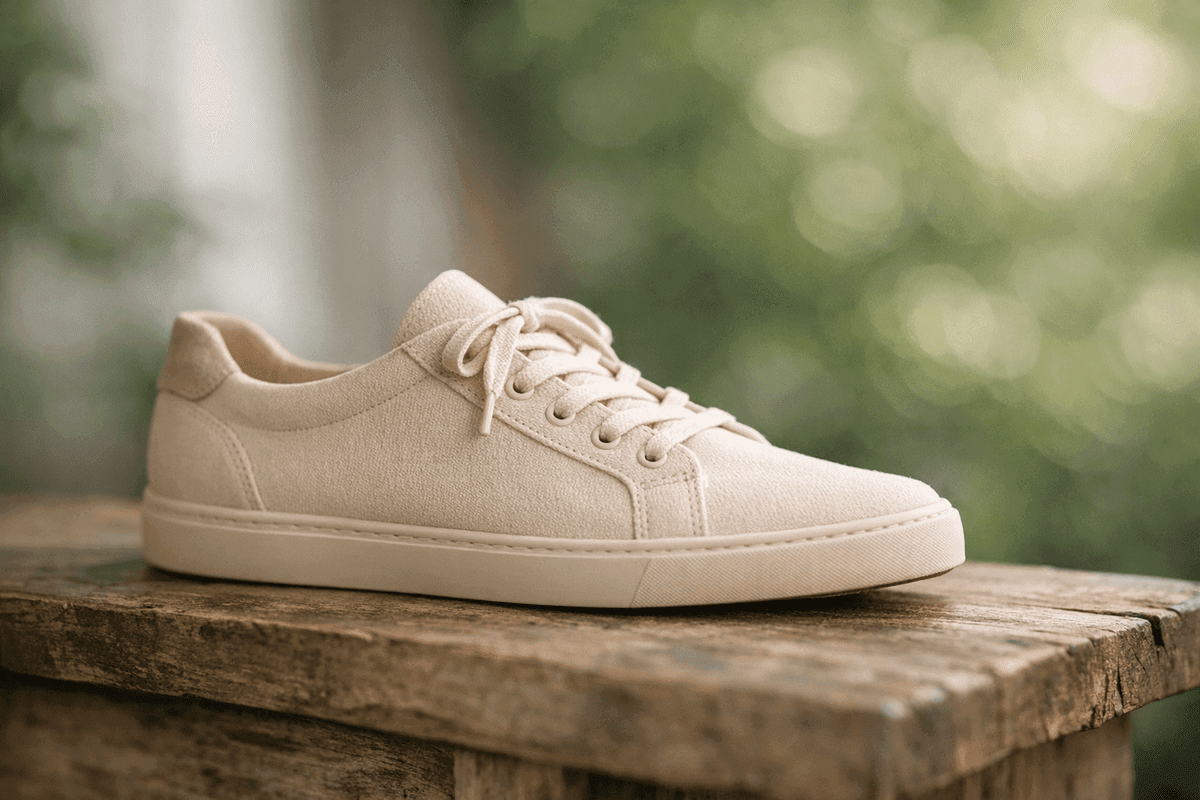
A minimalist derby, oxford, loafer, or clean leather slip-on often works best. These styles look formal while still offering a wider toe box and flatter sole than conventional dress shoes.
For men, a barefoot dress shoe with a simple profile is often easiest to integrate into a suit or smart trousers. For women, minimalist flats or low-profile loafers can pair well with tailored clothing.
Hospitality, retail, and service work
These roles usually involve more standing, walking, and quick direction changes. Comfort, grip, and durability matter just as much as appearance. Look for a shoe that is easy to clean, stays secure, and has enough traction for wet or polished floors.
Events and ceremonies
For weddings, conferences, or formal occasions, you may only need the shoe for a few hours, but the expectations can be higher. Prioritize a shoe that looks elegant and gives your toes enough space. If you are not fully adapted to minimalist footwear, do not make event day your first long wear test.
Fit checks you should not skip
Barefoot shoes only work well if they fit correctly. Use these quick checks before buying.
- Stand with full weight on both feet. Your toes should have space to spread.
- Walk for several minutes. There should be no pinching, rubbing, or heel lifting.
- Check the longest toe. You should have a little room in front of it.
- Make sure the shoe does not squeeze the sides of the forefoot.
- If the shoe has laces or straps, it should secure the foot without compressing it.
If possible, try shoes later in the day, when feet are slightly larger. This is especially helpful in warm weather.
If you are new to barefoot shoes, transition slowly
A minimalist office shoe may feel great immediately, but your feet, calves, and lower legs may need time to adapt if you are coming from heavily cushioned footwear.
Start by wearing them for short periods, such as a half day or on less demanding workdays. If you experience calf tightness or foot fatigue, reduce wear time and build up gradually. A good work shoe should not force pain, and discomfort is a sign to slow down.
Simple foot exercises, short walks, and alternating with another pair can make the transition easier.
Common mistakes to avoid
People often make the same few errors when buying barefoot shoes for professional use.
Choosing style over fit
A shoe can look perfect and still be a poor match for your foot shape. Do not assume that a sleek appearance means good comfort.
Going too minimal too soon
An extremely thin sole may be appealing, but if you work long hours on hard floors, some extra underfoot protection may be helpful.
Ignoring your commute
A shoe that works at your desk may fail on the way to work, especially in rain, heat, or when walking on uneven ground.
Picking the wrong size
Sizing varies by brand. Always check the actual internal length and width guidance, not just the label.
A practical way to make minimalist shoes work at work
The easiest path is to think in outfits, not just footwear. A barefoot shoe should look intentional with your clothing, not like an afterthought. Neutral colors, simple stitching, and a clean profile help minimalist shoes blend into professional wardrobes.
If you have a more formal role, consider keeping one pair for work and another for commuting or after-hours use. This can reduce wear, improve hygiene, and make the transition more manageable.
Conclusion, comfort and professionalism can go together
You do not have to choose between foot-friendly footwear and a polished appearance. The best barefoot shoe for work is the one that fits your dress code, your foot shape, and your daily routine. Look for a roomy toe box, a flat flexible sole, secure fit, breathable materials, and enough protection for your environment.
Start with realistic expectations, especially if you are new to minimalist footwear. A thoughtful choice can make long workdays more comfortable, support natural foot function, and still look appropriate in professional settings. In other words, barefoot shoes can belong at work, as long as you choose them with the same care you bring to the rest of your outfit.
Looking after your feet is one part of a longer, healthier life. Explore the wider Healthspan health ecosystem.